Room stories
A Room Reconsidered
Makeovers that started small and stayed honest.
Why we start with what you already own
The quickest route to a characterful room is rarely a shopping trip. It is usually a second look at something already in the house. An heirloom, a flea-market find or a piece that came with the property carries proportions and colours that a new purchase cannot fake. When you build around it, the room gains a centre of gravity, and every later decision becomes easier because you are answering one question: does this suit the piece I love?
The stories below are composites, shaped from the projects readers describe to us most often. Names and addresses are left out, but the problems are real: awkward layouts, tight budgets, landlords who forbid paint and families who need furniture that survives Tuesday evenings, not just photographs.
Story one
The terrace front room
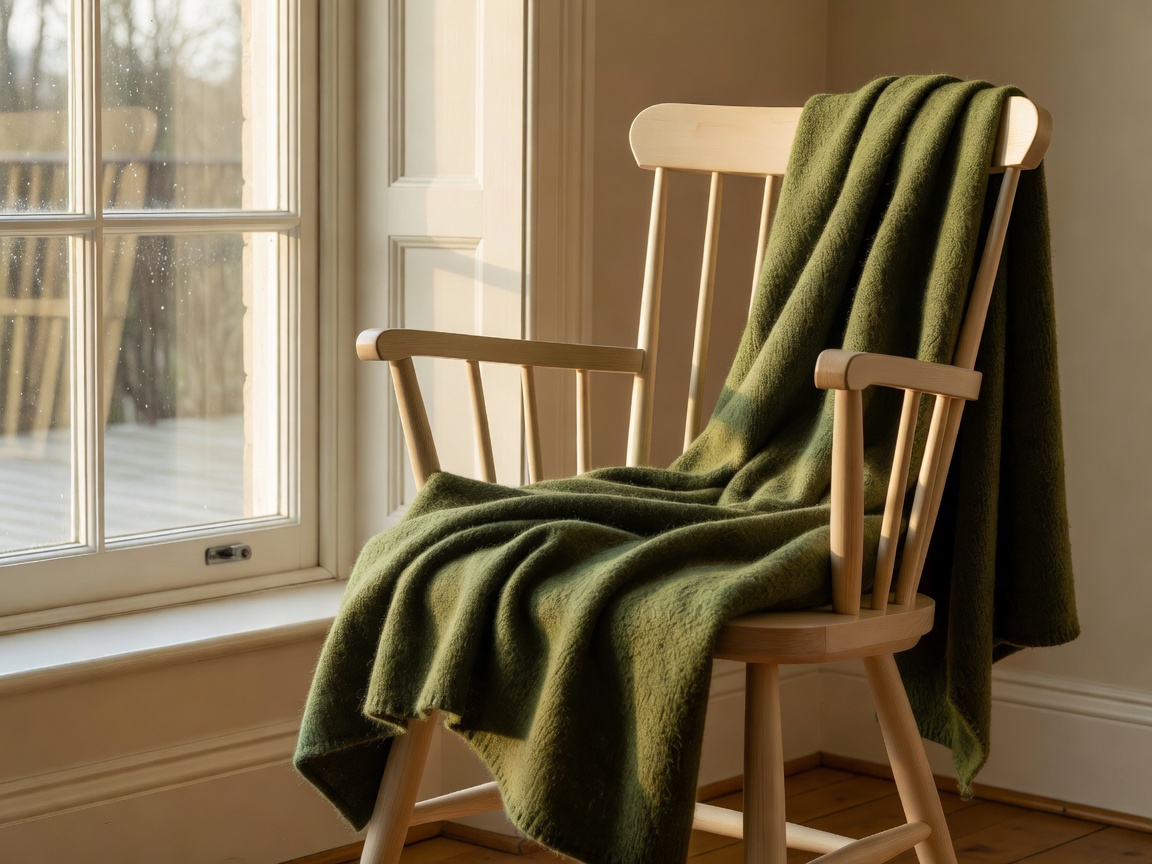
A Victorian terrace in Leeds had a front room painted a cool grey that made it feel smaller than it was. The owners had inherited an elm and beech Windsor-style armchair, the kind made in large numbers by High Wycombe workshops after the war. It sat in a corner and looked lost.
They began by moving the chair to the window, where daylight brought out the grain. That single change showed them the room wanted warmth. Walls went to a soft oat colour, the cold ceiling pendant was swapped for a pleated fabric shade and a moss-green wool throw went over the arm. A second-hand bookcase was stained a shade darker so its tone sat close to the chair.
Total spend stayed modest, and nothing in the room is strictly period. It simply feels as if it has always been lived in.
Story two
The rented flat with rules
In a 1960s block in Glasgow, a tenant could not paint, drill or replace flooring. The room had magnolia walls, a laminate floor and a large window. Her starting piece was an amber glass table lamp bought for a few pounds at the Barras market.
She treated the lamp’s colour as a brief. A mustard cushion, a tobacco-brown corduroy beanbag and a rug with burnt-orange stripes followed. Framed exhibition posters went on a picture ledge that rests on the skirting, so no holes were needed. Plants in plain terracotta pots softened the corners.
When she moves, everything moves with her. The lesson: character is portable, and renters can build it through objects rather than surfaces.

Story three
The family kitchen that kept its table
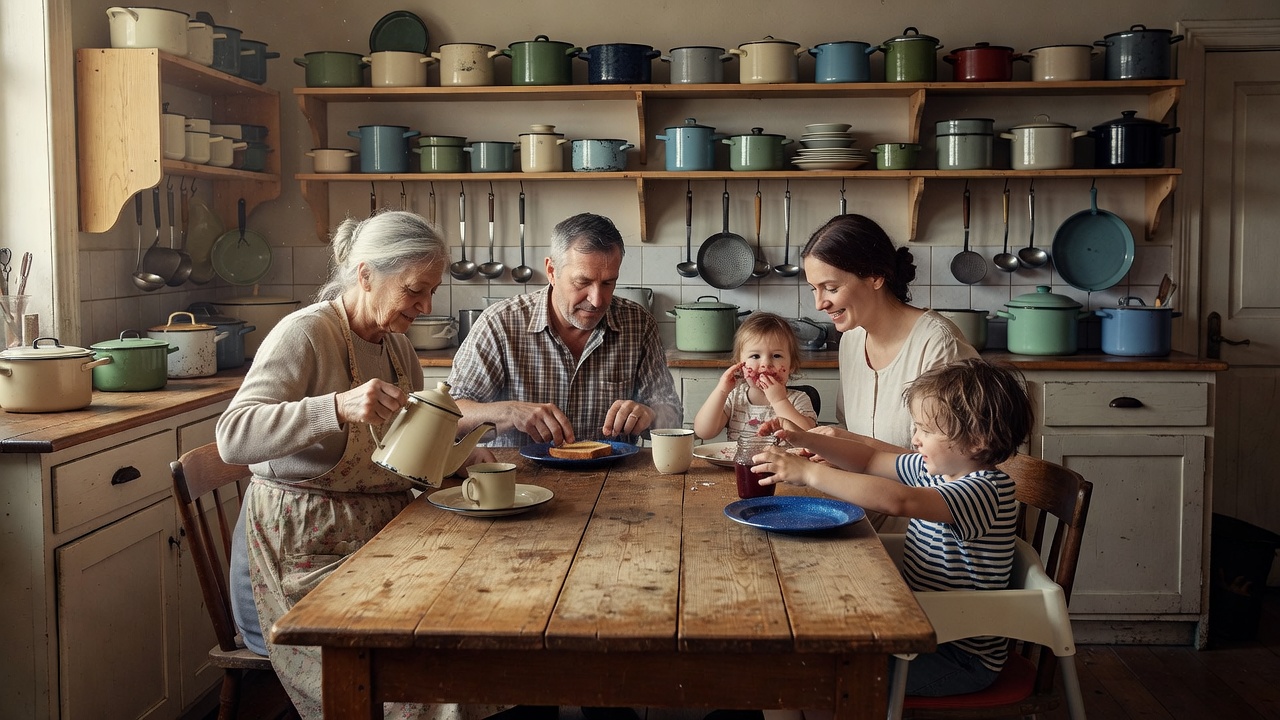
A family in Bristol planned to replace a scarred oak drop-leaf table during a kitchen refresh. The children had done homework at it for a decade; it had rings, scratches and a wobble. Rather than buy new, they reglued the loose leg joint, cleaned the top with mild soap and finished it with a hard wax oil that could cope with daily spills.
With the table staying, the new kitchen choices changed. Instead of glossy units, they chose painted doors in a muted sage, open shelves for enamel storage tins and a ceramic sink. Mismatched chairs from a local auction were unified with matching seat pads.
Visitors now ask where the table came from. The answer, a little proudly, is: we kept it.

What these rooms have in common
- One anchor piece. Each room grew from an object with history, not from a mood board.
- Light first. Moving the anchor into better daylight often showed what the room needed.
- A colour borrowed, not invented. Wall, textile and accessory colours came from the anchor itself.
- Repairs before purchases. Stabilising and cleaning came before any new buying.
- Time. None of these rooms was finished in a weekend, and none of the owners minded.
If you are unsure where to begin, choose the piece you would rescue in a hurry. Stand it where you see it most, live with it for a week and notice what bothers you around it. That irritation is your first project. Our furniture notes and colour pairings will help with the next steps.